Research and structure
Sources, notes, and chronology are shaped into a film that can be narrated clearly.
 House of History
Production
Research, writing, map-building, manual animation, editing, and revision all shape the finished film.
Approach
House of History is not built around a large studio system. Each film is manually built through reading, structuring, writing, visual planning, map work, animation, editing, and revision.
A great deal of time goes into deciding what to include, what to leave out, and how to present the material clearly without reducing its complexity.
Pipeline
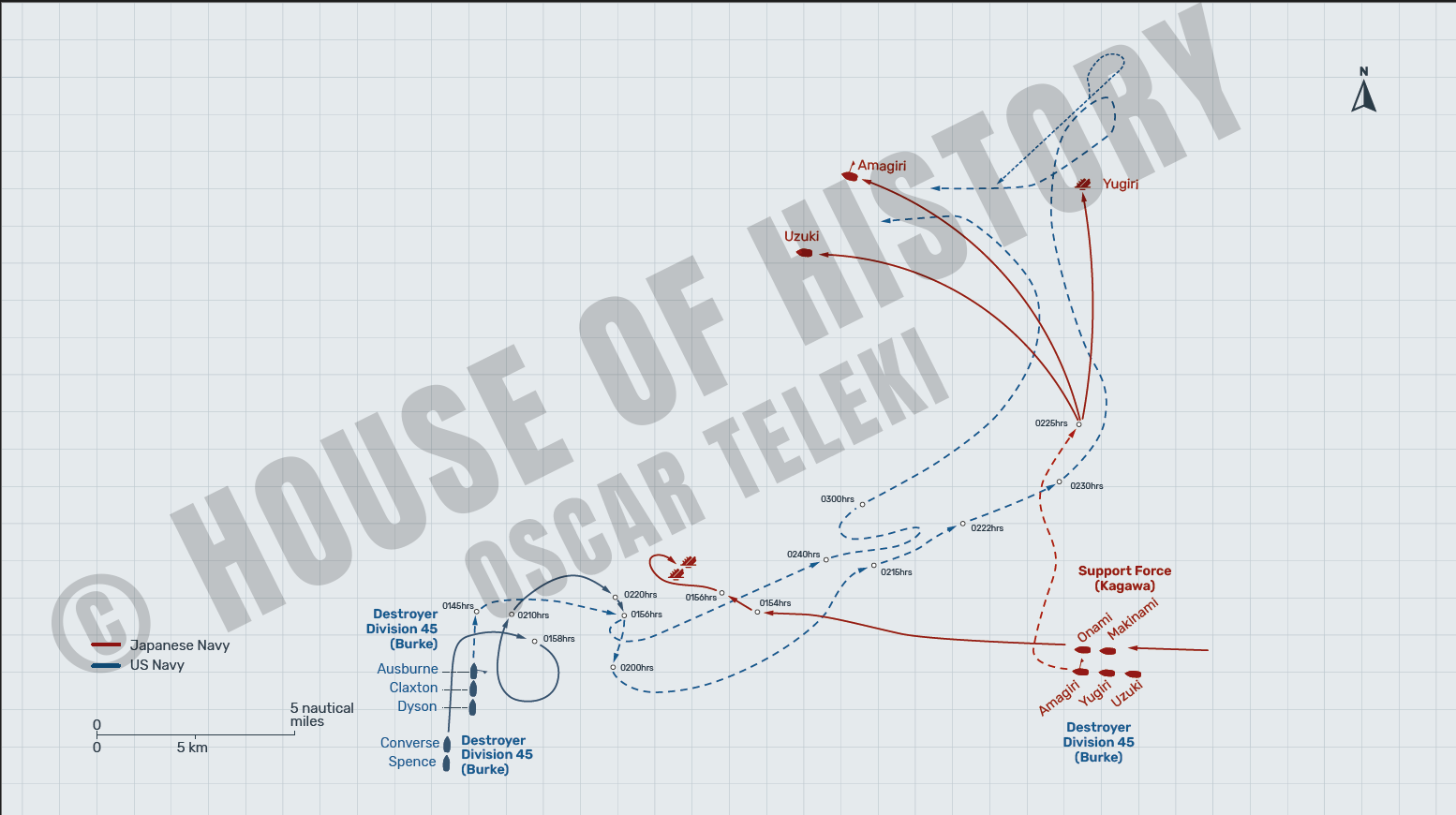
Every documentary begins with research, note-taking, and writing. Once the structure of the film is clear, the maps, battle sequences, overlays, and supporting visuals can be built around it.
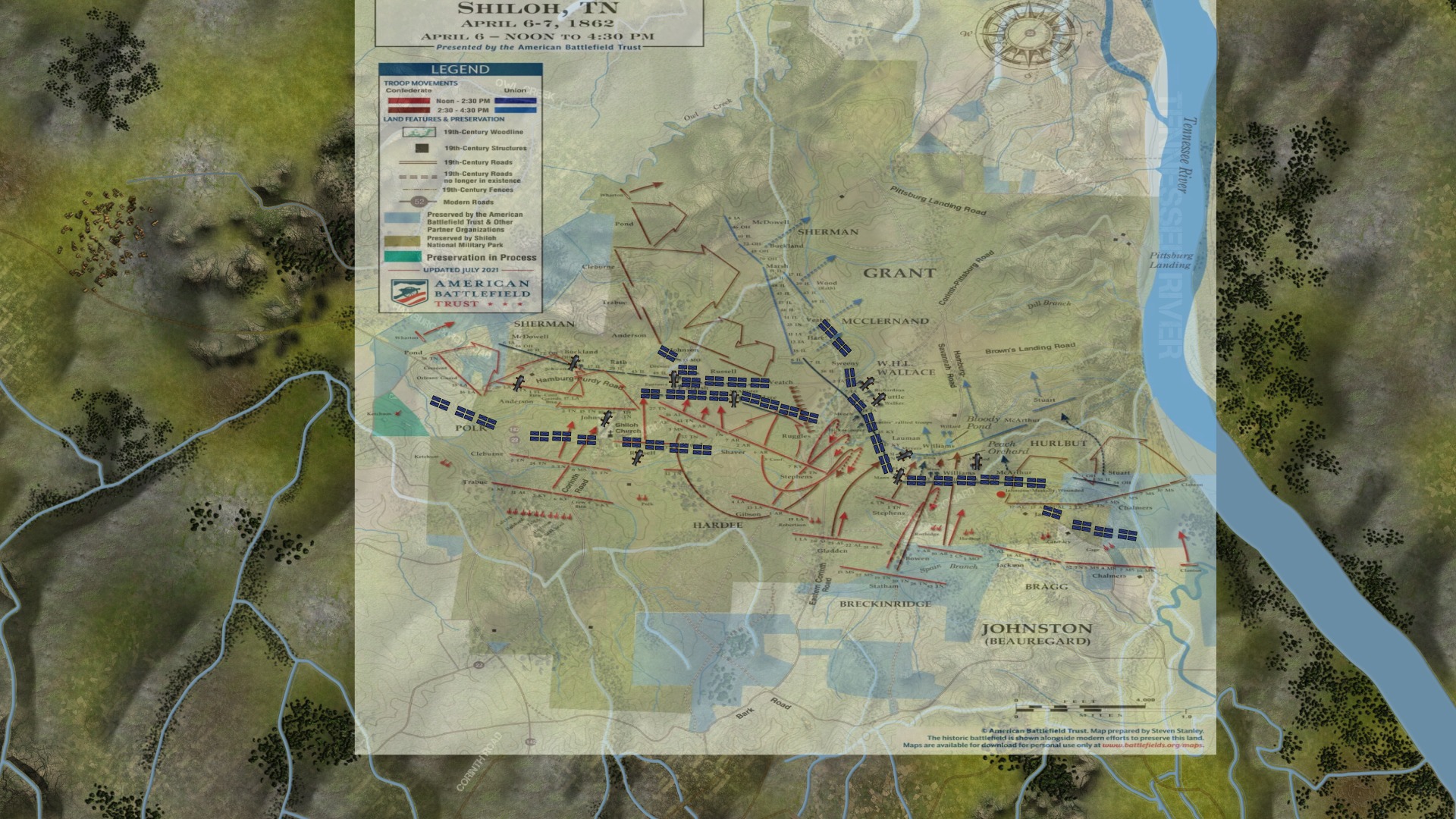
Sources, notes, and chronology are shaped into a film that can be narrated clearly.
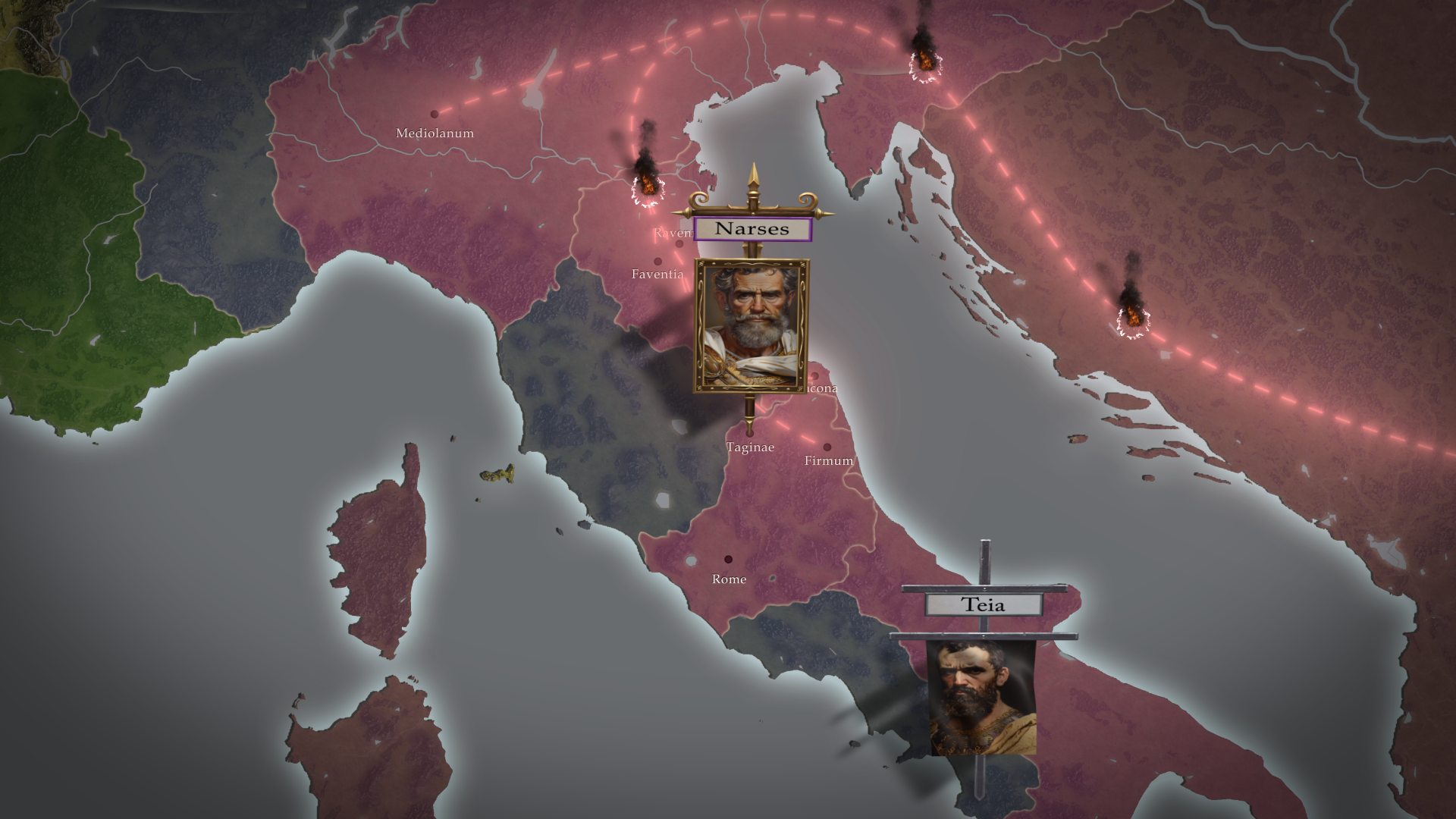
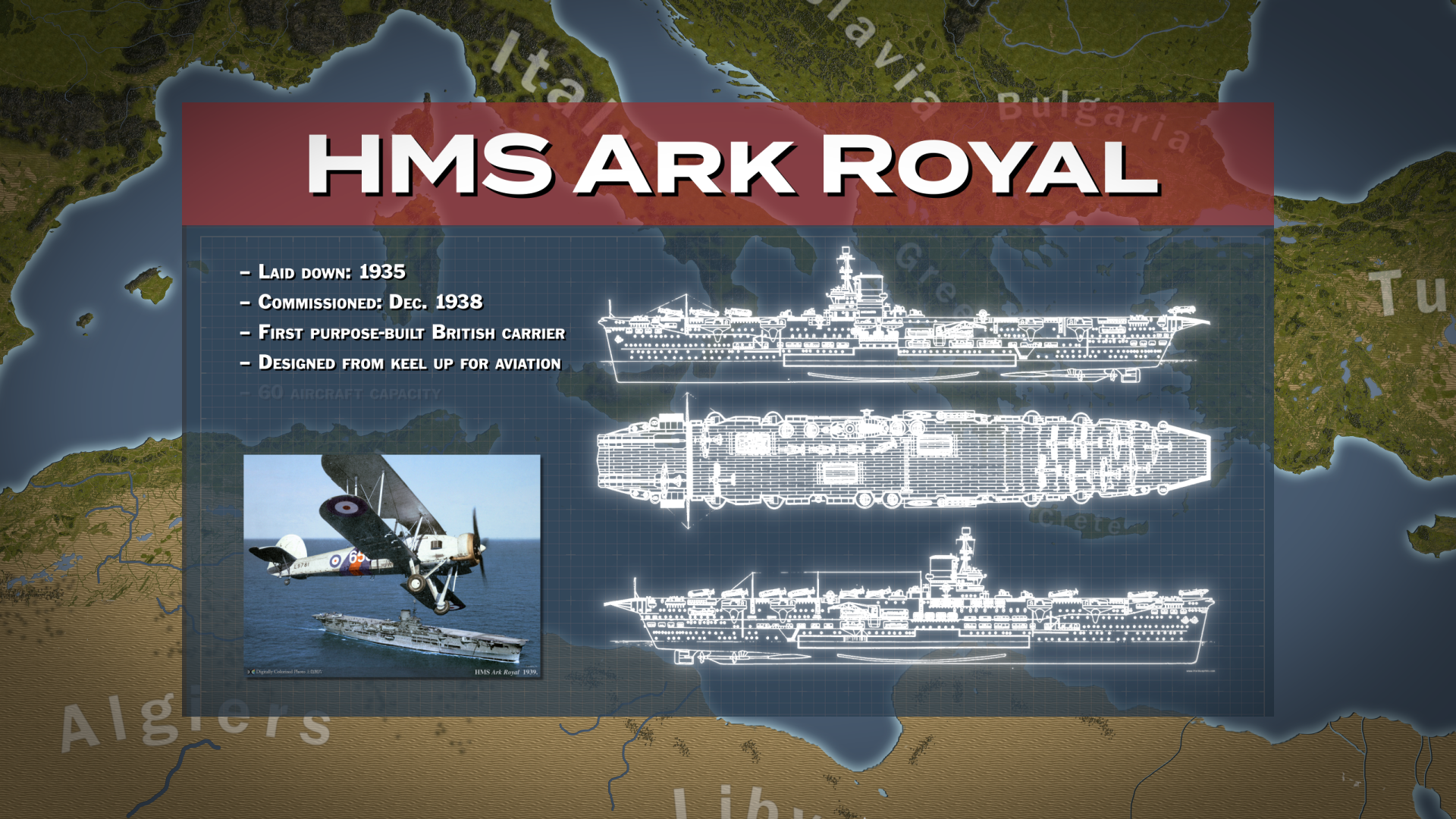
Maps, overlays, command labels, battle graphics, quote cards, and archive material follow the structure of the script.
The aim is to help viewers follow chronology, geography, decision-making, and consequence.
Tools
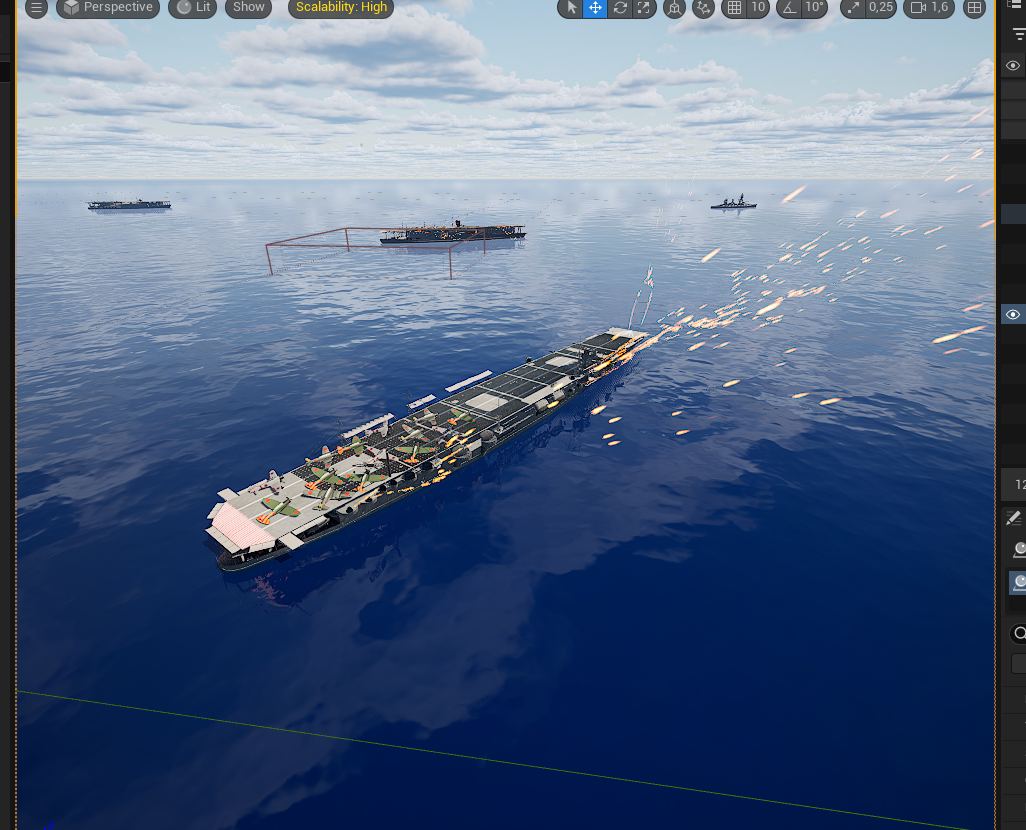
The production side of House of History includes tools such as After Effects, Photoshop, Audition, Ableton, and, for selected projects, Unreal Engine 5.
Some documentaries depend almost entirely on the strength of 2D map systems and manually animated battle sequences. Others use selected 3D methods, technical inserts, or shot-building before they are integrated into the final edit. What matters is not the software itself, but whether it makes the history more readable.
Visual development
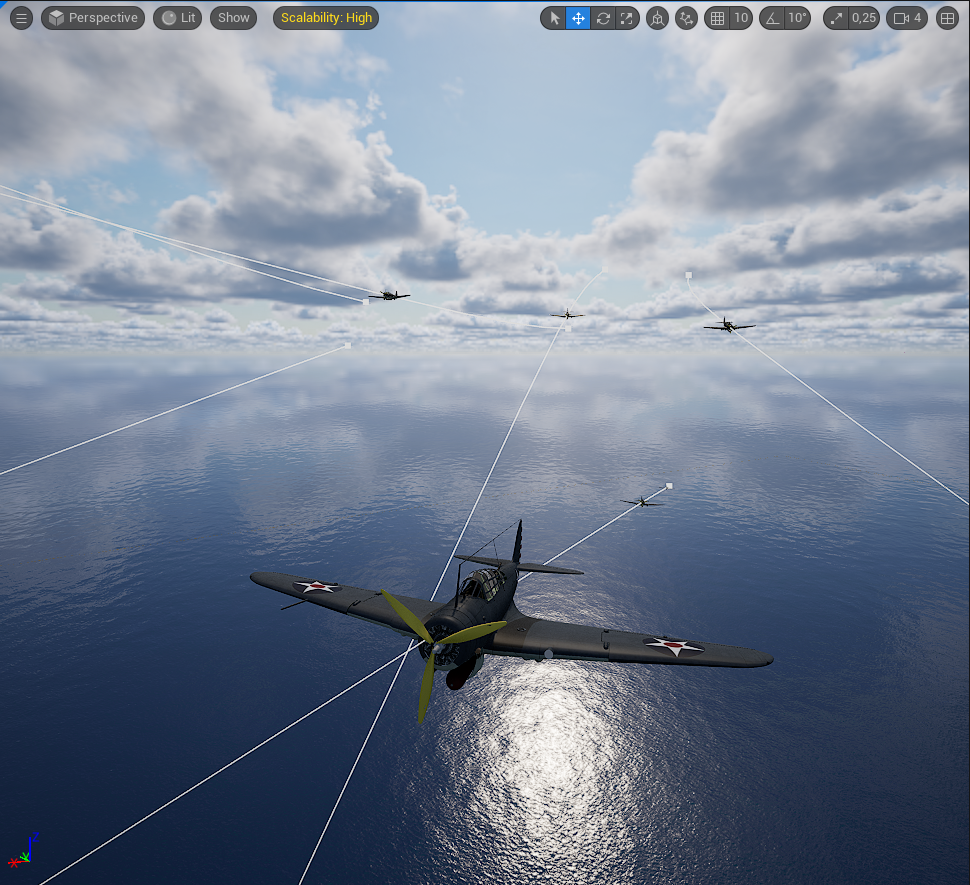
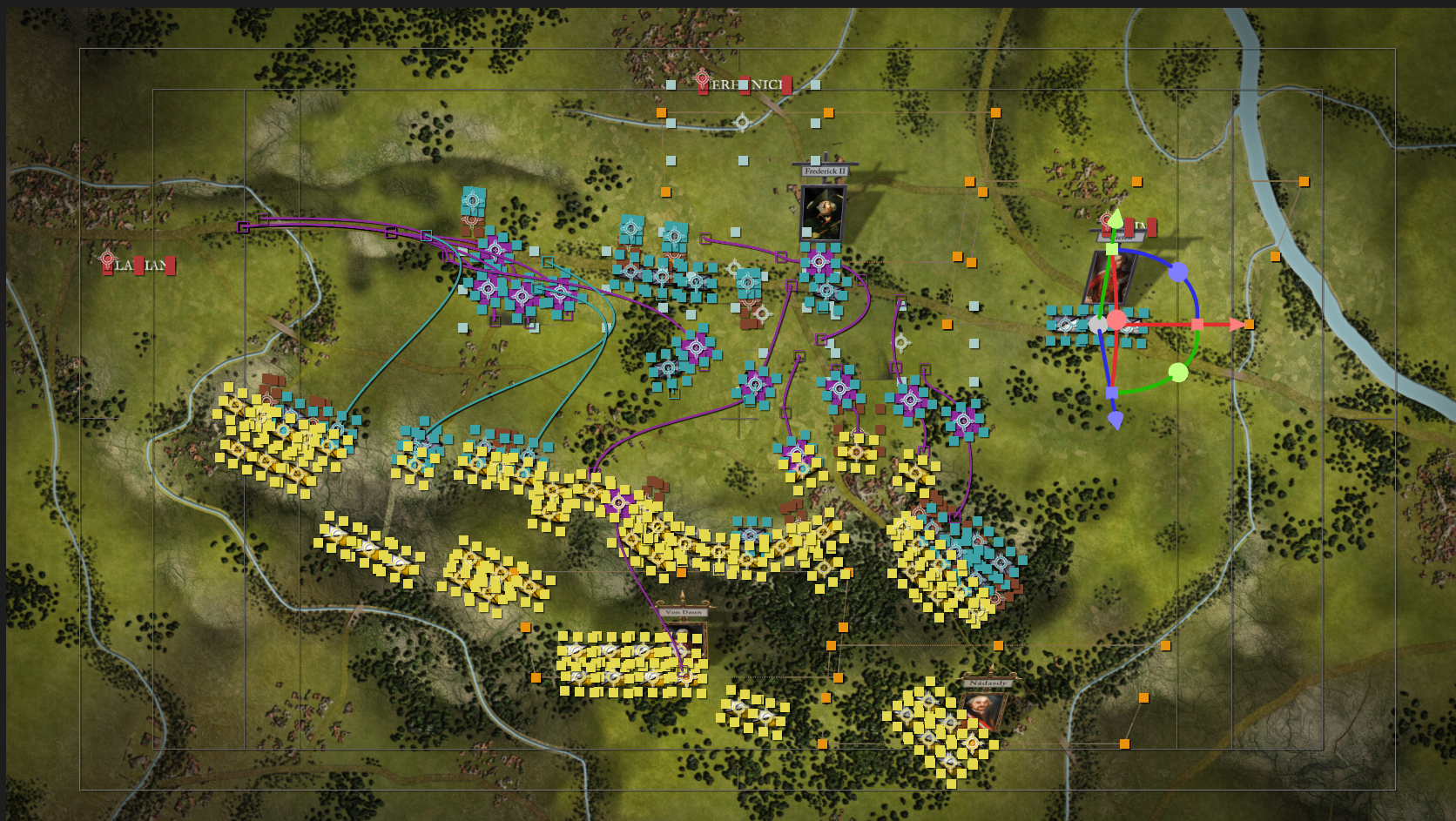
Most projects begin with 2D map logic: geography, movement, labels, timing, and sequence. Selected projects then add 3D staging, camera work, naval assets, aircraft paths, and effects work where those methods clarify the event.
Refinement
Behind a finished upload are many intermediate assets: working maps, rough layouts, quote treatments, animation tests, scene experiments, and sequences that are revised repeatedly before they are ready for the final edit.
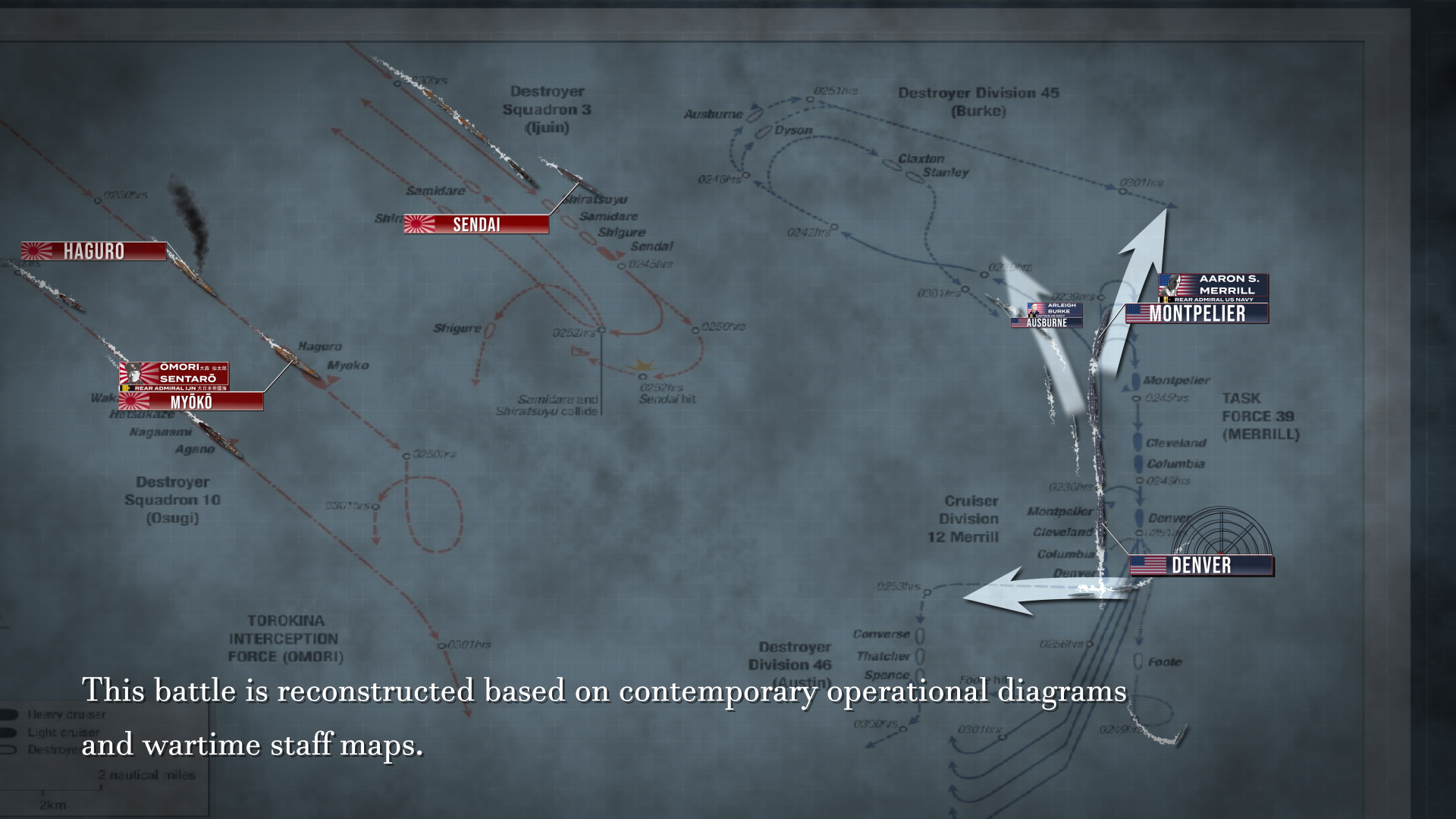
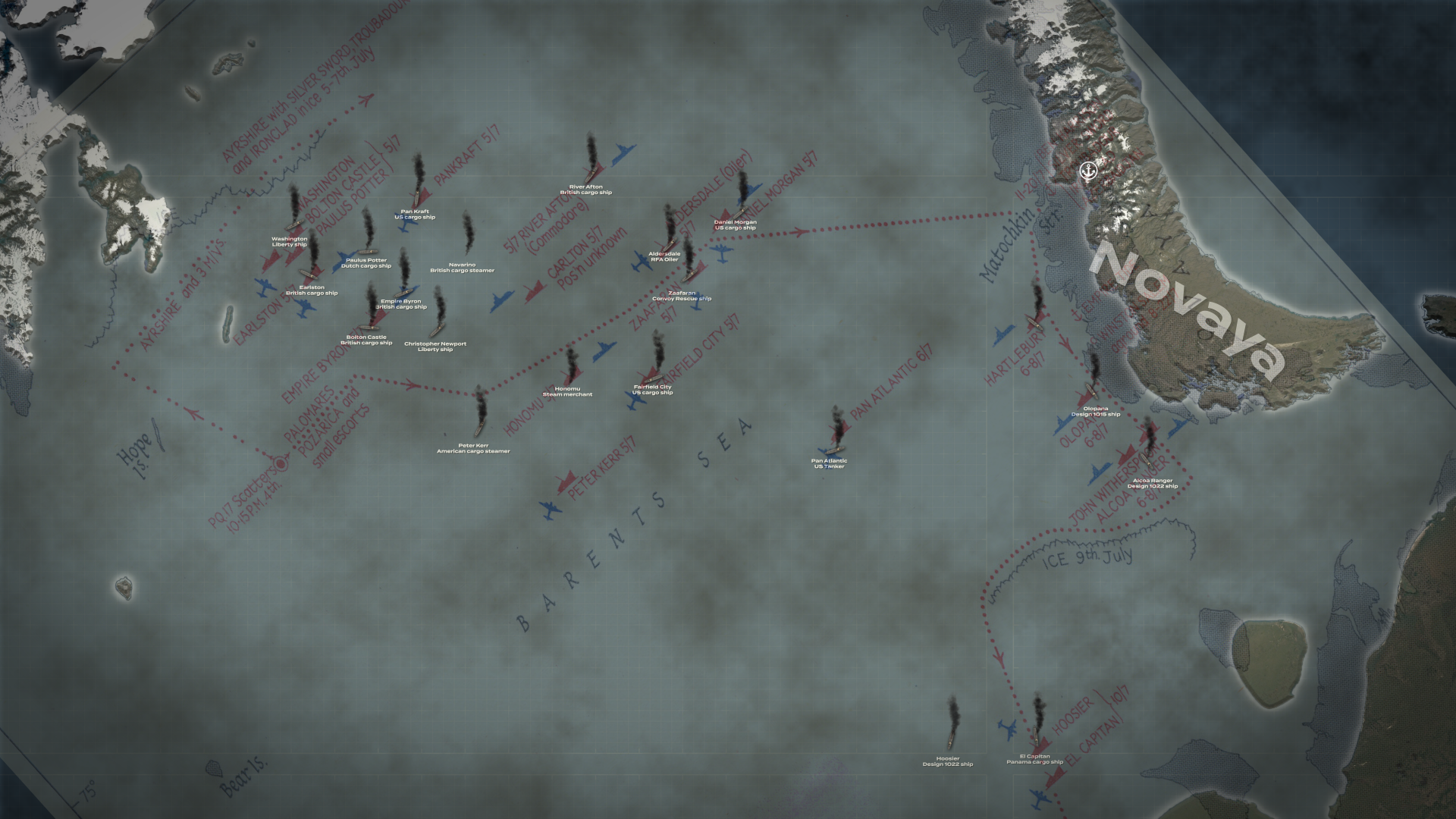
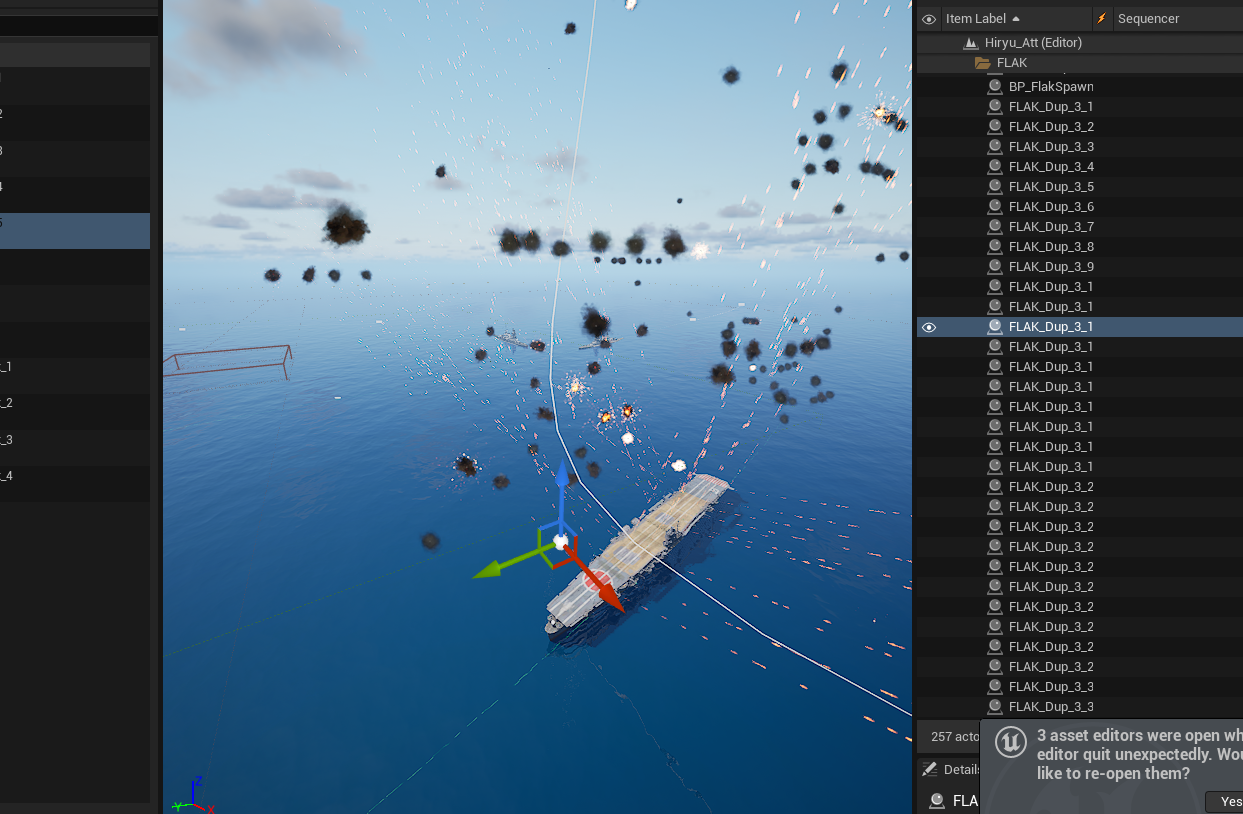
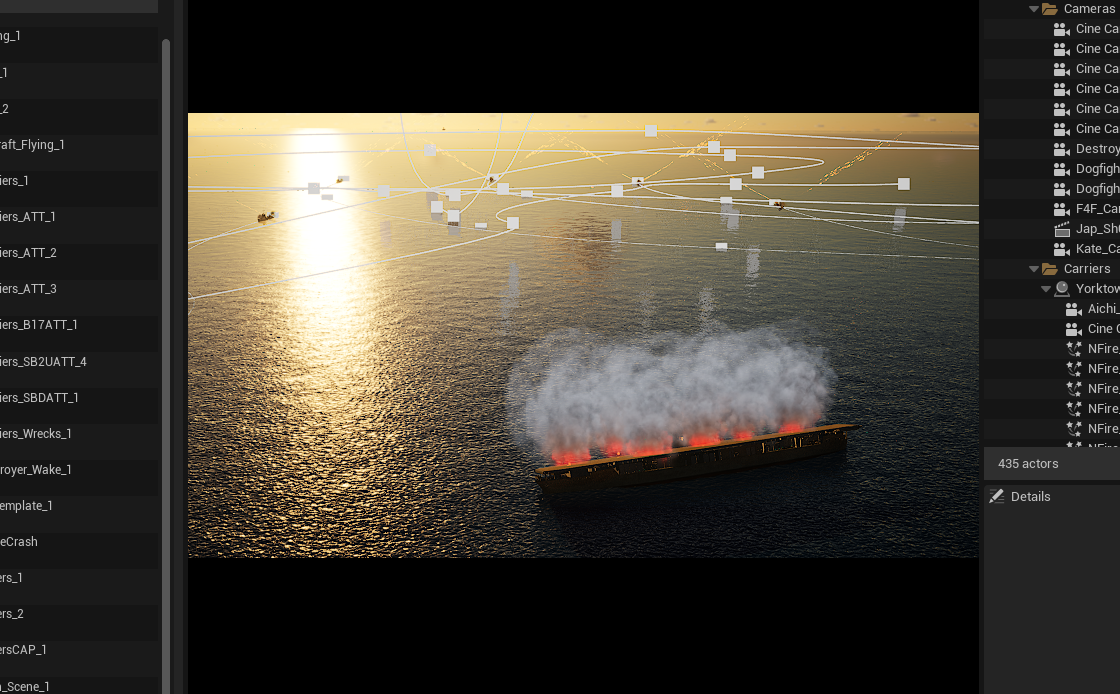
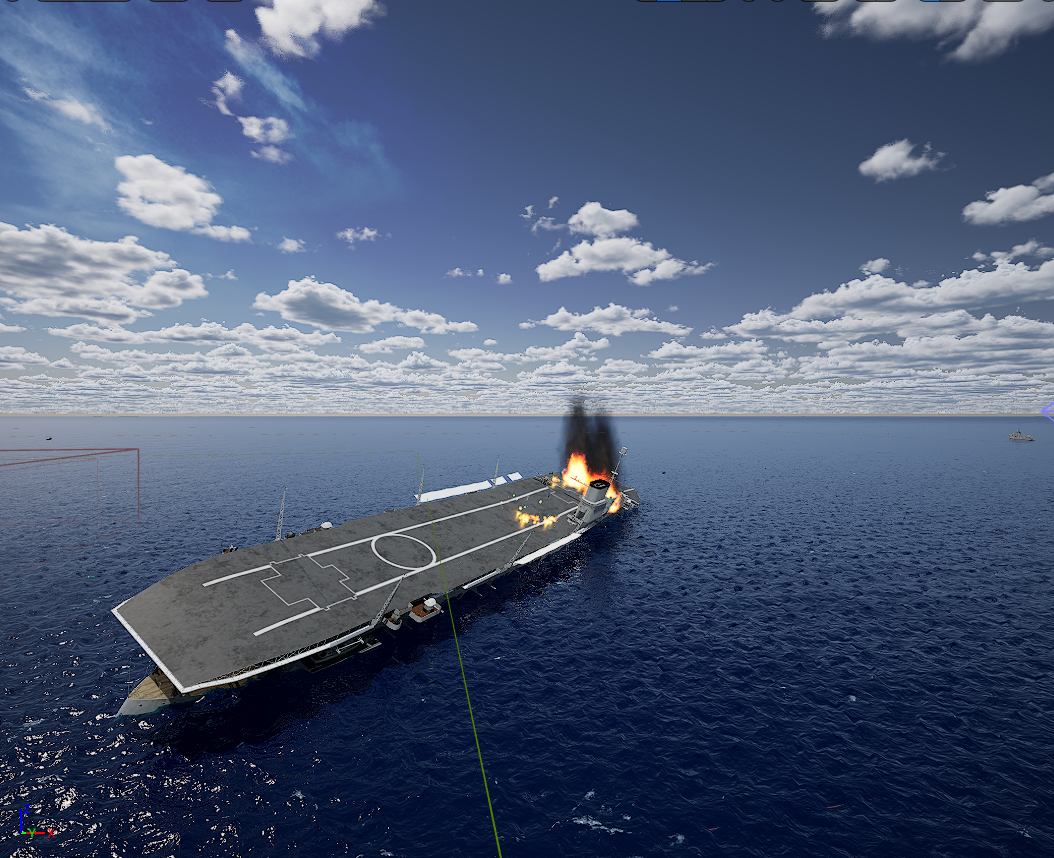
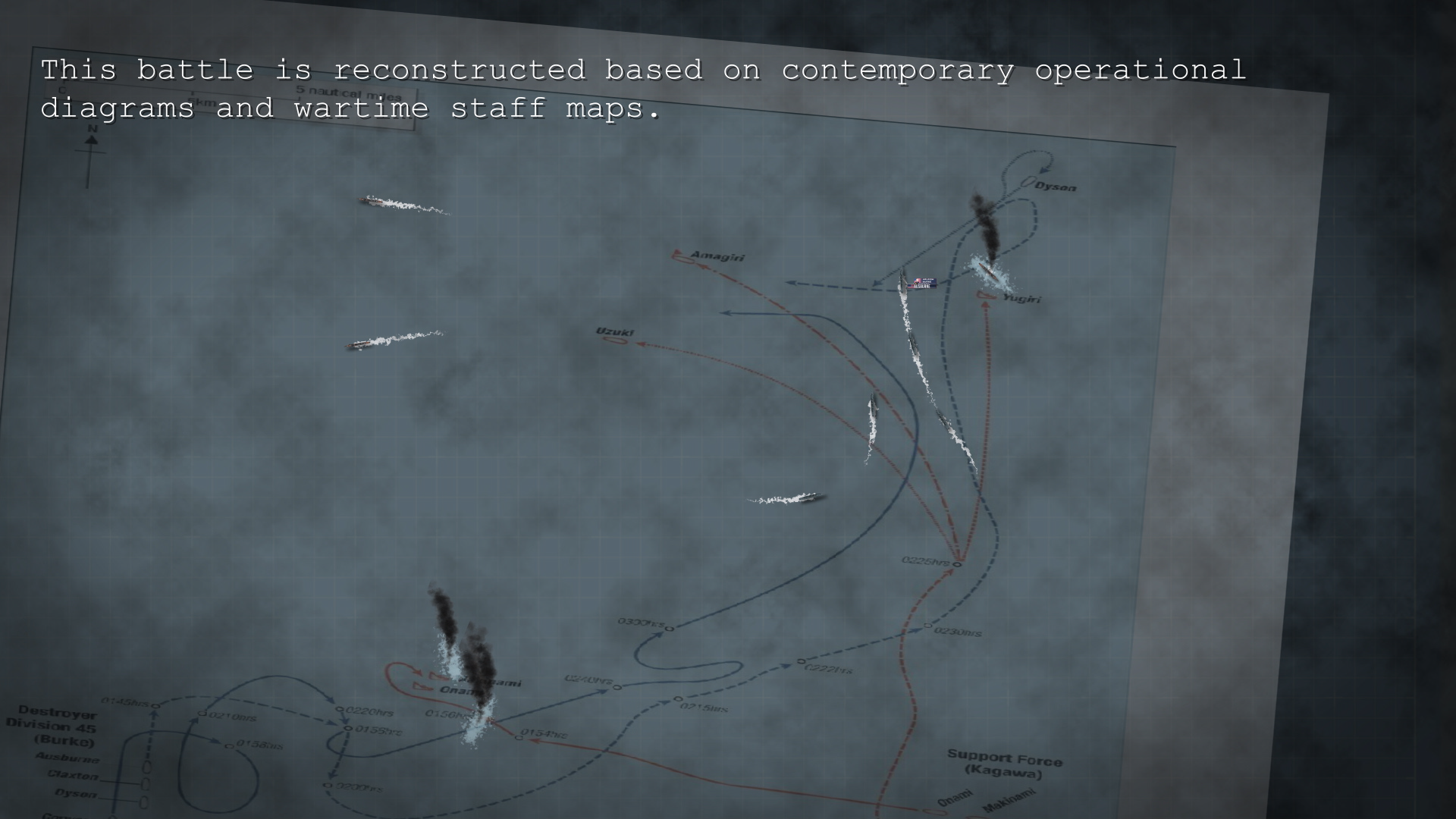
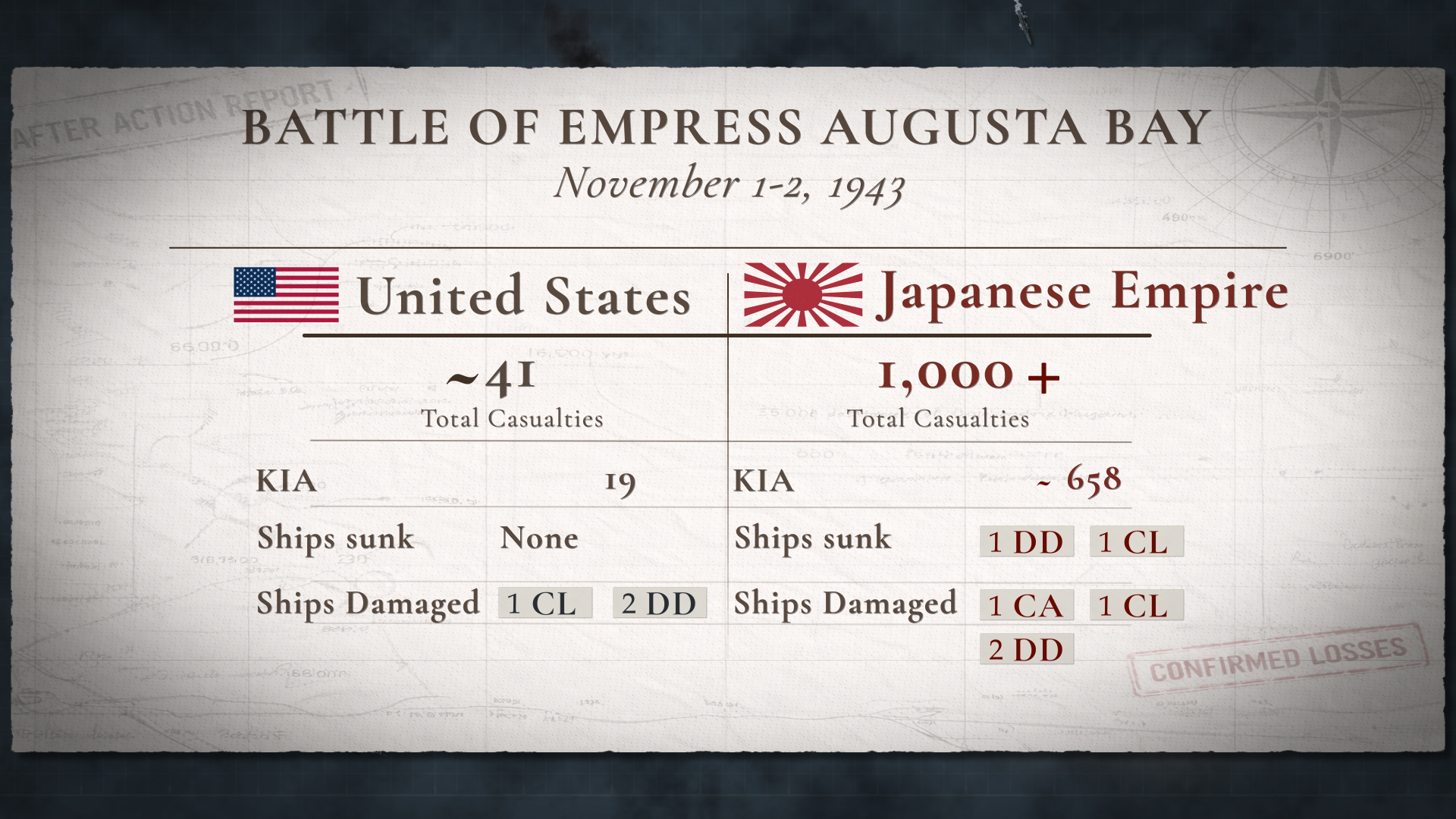
Each release feeds back into the next one through improvements in pacing, structure, map design, animation, and visual language.
Commissioned figure illustrations
Patreon support has made it possible to commission specialist illustrators to create historically-accurate uniformed figures. Built from a custom 3D base (mesh and hand-painted period uniform), these are composited into tactical overviews and parallax scenes to add historical depth and realism to the visual style House of History is known for.
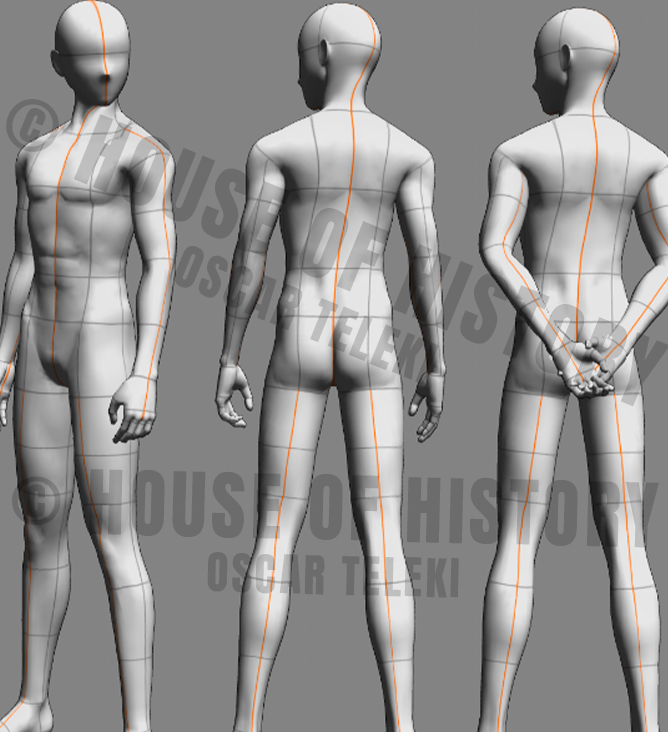
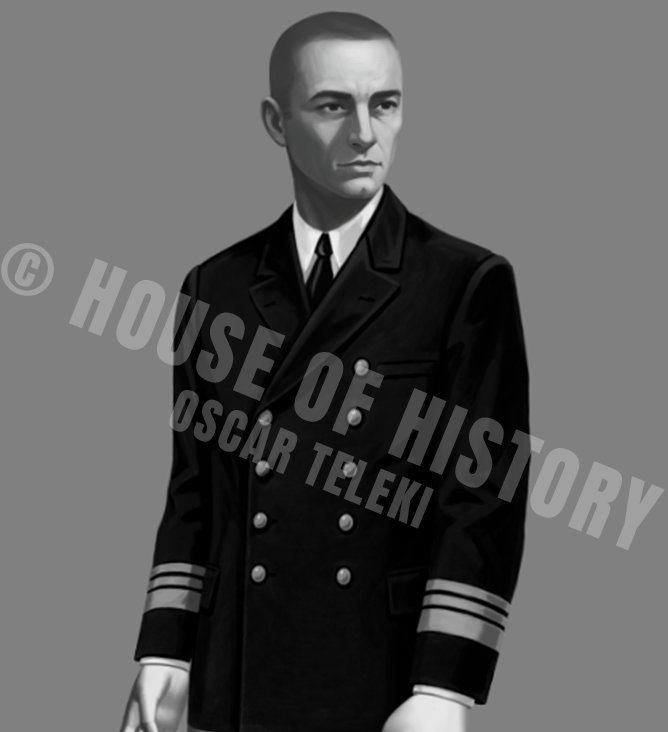
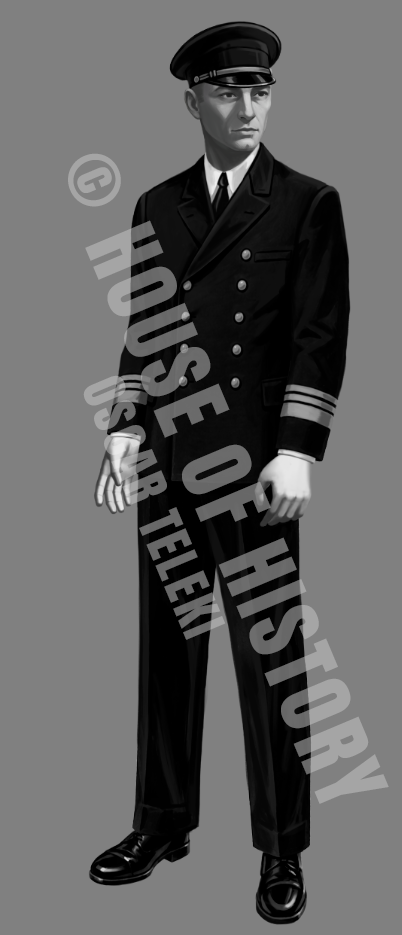
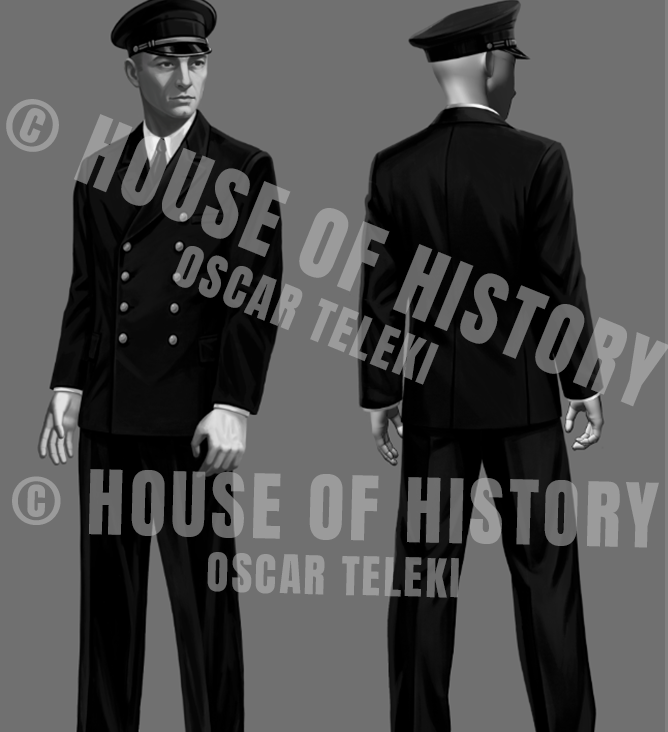
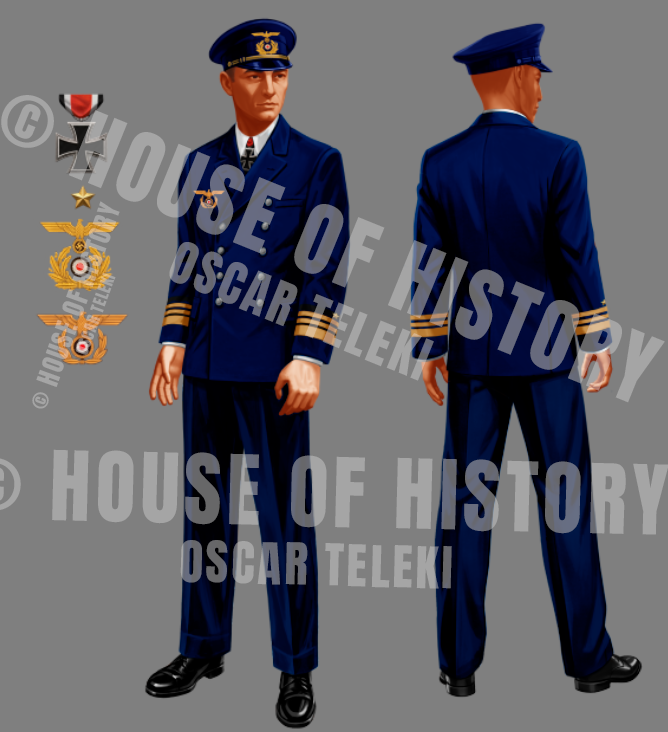
I do the research, writing, and narration myself. Commissions like these are made possible by Patreon support.
In writing
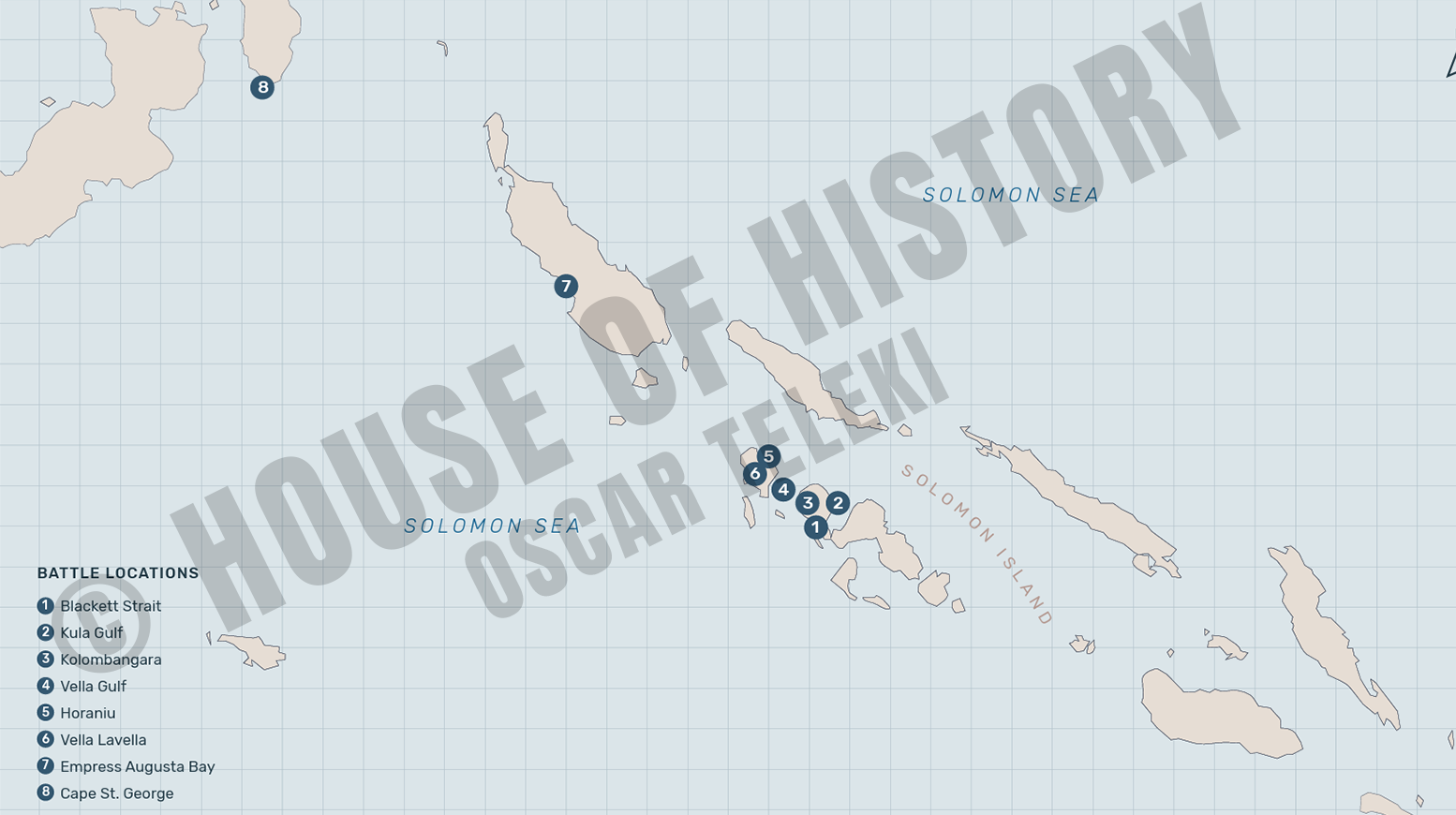
Alongside the documentary series, I am currently researching and writing a naval atlas dedicated to the New Georgia Campaign of 1943: a campaign-level cartographic record covering eight naval engagements across the Solomon Islands, from the Blackett Strait to Cape St. George.